
Ogólne
Miejscowość
-
Miejscowość:Spokojna lokalizacja, W miejscu zasiedlonym, Miejscowość turystyczna
-
Obiekt jest otoczony zielenią:Wysoka
-
obiekt znajduje się na odludziu
-
Pomiędzy obiektem, a plażą znajduje się główna droga
-
Możliwość dojazdu samochodem
-
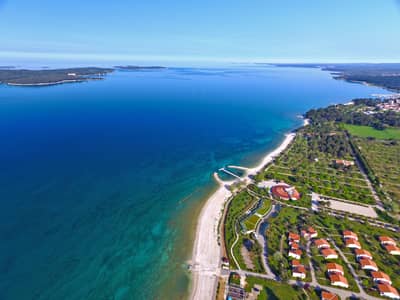
Obiekt znajduje się przy plaży
-
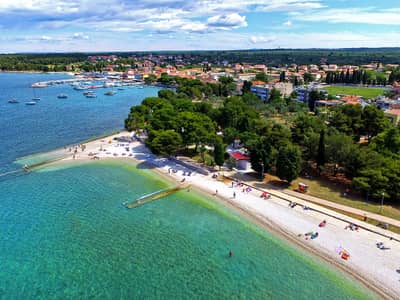
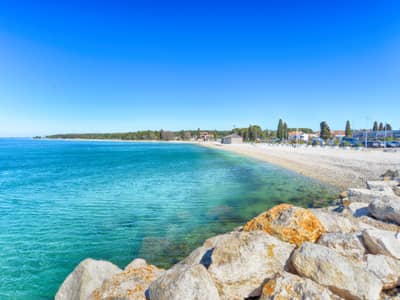
Najbliższa plaża:Betonowe płyty, Żwirowa
-
Zejście do morza:Długa płycizna
Odległości
Odkryj miejsce Fažana
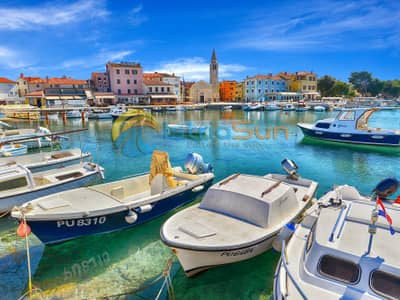
Fažana to małe rybackie miasteczko, zakorzenione w pobliżu największego miasta na Istrii, Puli i głównego portu w Parku Narodowym Brijuni. To fascynujące miasto, którego mieszkańcy nadal chronią tradycję i ją demonstrują, co nadaje delikatnego dotyku minionych czasów charakterystycznych dla rybaków i smakoszy. Założono tu Akademię Wędkarską "Sardela", w której można nauczyć się łowić sardynki i smacznie je przygotować. Fažana to miejsce, w którym zachowano tradycyjny styl życia, a jego naturalne owoce są doceniane.
Plaże
Dječje igralište
Badel
Bi Val
03
Atrakcje i miejsca do zobaczenia
Bijeca
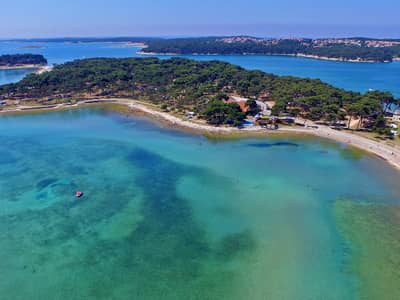
Brijuni
Maker chciał ukształtować część Ziemi jako obraz Nieba. Tak narodziła się Istria i jak ogród pokryty cudownymi drzewami i szerokimi łąkami, przemyta głębokim błękitnym morzem, zachęca ludzi do szczęśliwego życia. Ale zazdrosny diabeł zniszczył jego pracę, rozdzierając worek, w którym anioł niósł niewykorzystane kamienie. Tysiące skał rozleciało się wokół ziemi Istrii, co uczyniło z niej ziemię kontrastów, delikatnych i szorstkich, żyznych i jałowych, słonecznych i chmurnych.
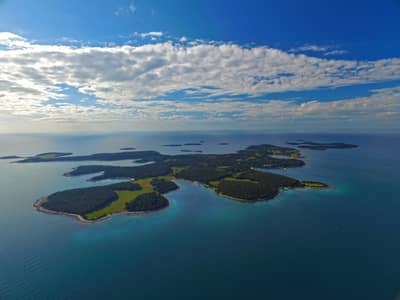
Porer
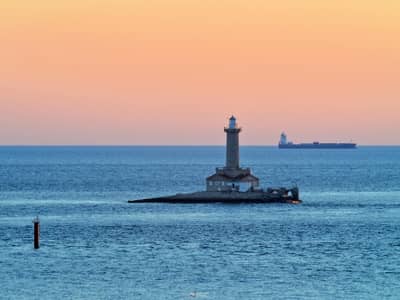
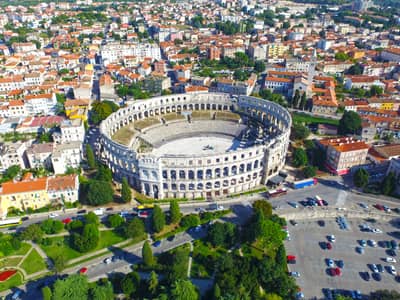
Arena Pula
The ground plan is elliptical, the longer axis measuring about 130 m and the shorter one about 100 m. Gladiator fights took place in the central flat area called the arena, while the spectators could sit on the stone tiers or stand in the gallery. It is believed that the Amphitheater could seat about 20,000 spectators. Local limestone was used for its construction. In the Middle Ages it was the site of knights tournaments and fairs. Today it is the venue for summer performances - the Film Festival, Opera Season, Equestrian Festival, concerts, ... which can seat about 5,000 spectators. The underground passages, once used by the gladiators, nowadays host a regular exhibition of viticulture and olive growing in Istria in ancient times. The exhibits include reconstructions of machines once used for the production of olive oil and wine (mills, presses, vessels) and amphorae used for storing and transporting olive oil and wine. The Amphitheater is situated outside the old city walls because of its size and geographical configuration. The road that leads to the center was constructed during Emperor Vespasian, after whom it was named - Via Flavia. Even today it represents one of the main city roads.
Aquarium Pula
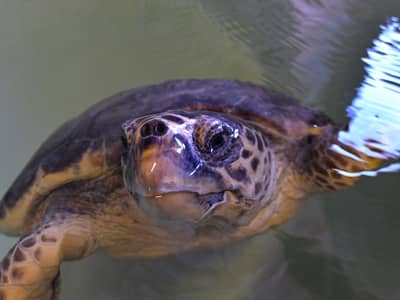
Aquarium Pula isplaced in the Austro-Hungarian fortress Verudela, which was built in 1886 on the peninsula 3 km from the city centre of Pula. The works to transfor the fortress into the aquarium has been in progress since 2002. The installation has been set in about 60 tanks on the ground floor, the moat, and the first floor of the fortress. In an area of approx. 2000 m2 visitors can get acquainted with inhabitants of Northern and Southern Adriatic Sea, tropical marine and freshwater fish and with exemplary of European rivers and lakes.
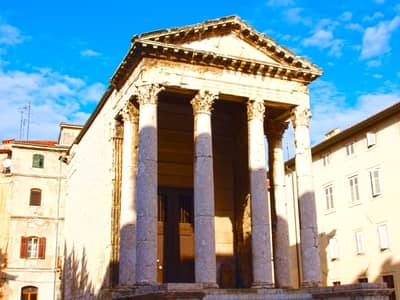
Forum Pula
The Forum was the nucleus of city life, its religious, administrative, legislative and commercial center. On the northern part of the Forum stood two twin temples and a central one dedicated to Jupiter, Juno and Minerva. Today only the Temple of Augustus has been fully preserved while of the second temple only the back wall, built into the Communal Palace in the 13th century, is visible. Ancient remains of the Forum have been found during the construction of new buildings, the latest ones being "Agrippina and her time" (1st century AD). The remains have been partly restored and are now exhibited in the bank built on the site. Even today the Forum is the administrative and legislative center of the city. During the summer months it is the venue for numerous cultural events.
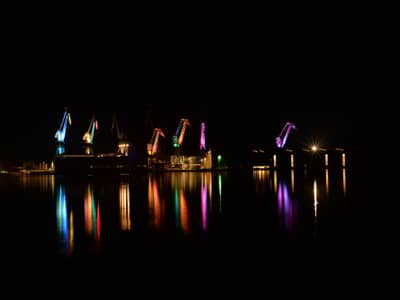
Lighting Giants
Triumphal Arch of Sergius
The gate and wall were pulled down in the beginning of the 19th century as a result of the city expansion outside the city walls. The Arch was constructed in Corinthian style with strong Hellenistic and Asia Minor influences both in the method and ornaments. As the eastern side was not visible it has remained for the most part uncarved, while the western, town side is richly decorated. Today numerous cultural performances, theatrical and musical, are held on the square next to the Arch. The adjacent street is a shopping area.
_thumb_400x300.jpg)
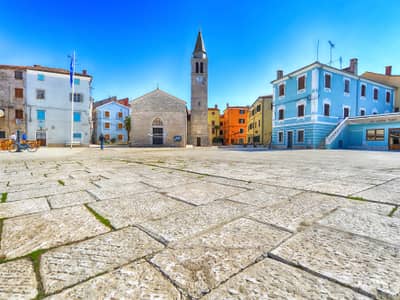
Riva Fazana
09