Gospodarze mieszkają na stałe lub tymczasowo w obiekcie
Miejscowość
Miejscowość:
W miejscu zasiedlonym, Spokojna lokalizacja, Mniejsza miejscowość
Obiekt jest otoczony zielenią:
Średni
obiekt znajduje się na odludziu
Pomiędzy obiektem, a plażą znajduje się główna droga
Możliwość dojazdu samochodem
Obiekt znajduje się przy plaży
Najbliższa plaża:
Piaszczysta, Żwirowa
Zejście do morza:
Krótka płycizna
Odległości
Poczta
: 4000
Pierwsza pomoc
: 4000
Dyskoteka
: 4000
Hotel basen
: 4000
Teren sportowy
: 4000
Stacja benzynowa samochodowa
: 4000
Restauracja
: 200
Sklep
: 1000
Centrum
: 5000
Morze
: 1000
Plaża
: 1000
LotniskO
: 45000
Odkryj miejsce
Rovinj
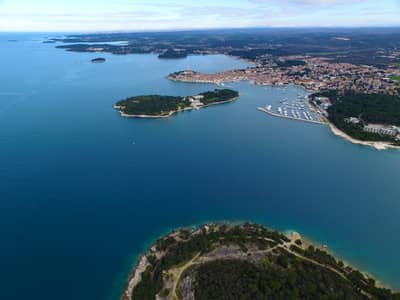
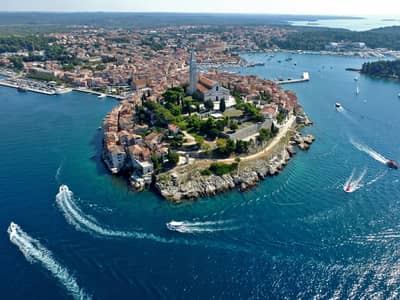
Rovinj, an old but popular fishermen town surrounded by islands and islets, is situated on Istria's west coast and it's one of the most developed seaside resorts in Croatia. Rovinj is an important historical and cultural Istrian center. The old town lies on a conical promontory which was until 1763 part of a coastal islet. In the 18th century the channel was filled up with the mainland. In the 18th century Rovinj was the most populated town in the Ventian part of Istria after Kopar.
Plaże
Polari
01
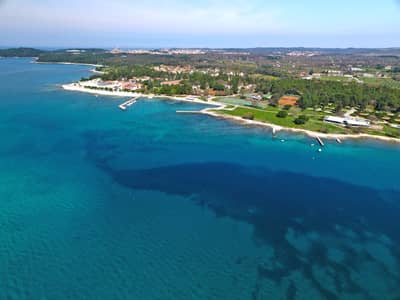
Polari Bay and Cape Eva (Punta Eva - naturism) are located 3 km from the town center within the campsite Polari. The coast is mostly stony and some parts are are paved with cobble stones in order to make easier the access to the sea. On the northern side of Polari Bay there is located a pebble beach which is very suitable for children. Next to the beach a playground has been set up . When coming to the southern part of Polari Bay, you will come to a little quay and a little port. In this part the seashore is stony and the entrance into the water it's not easy accesible. After Polari Bay there is Cape Eve (Punta Eva), a nudist beach that extents till the end of the campsite.
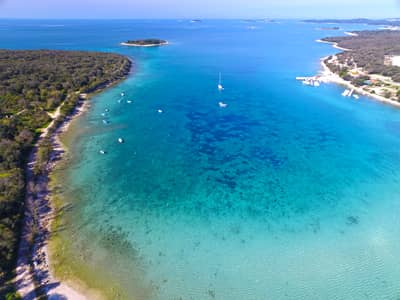
Veštar Bay is placed 5 kilometers from the town center. In the bay lies a wonderful pebbly beach which spreads for 700 meters along the coast. The beach is awarded with a Blue flag because of its beauties and quality and for its clean sea, as well. There are different beaches lying in this area. The most attractive one is the beach within the campsite, in the middle of the bay, a gravel beach, but s the ground in the sea is made of fine sand which makes walking or playing ball a special pleasure. In the campsite it's possible to rent a boat or some other sport equipment, and there are many other catering establishments and sport fields. The sea is shallow with an easy entrance which is great for kids. The northern part is stony with small round stones, reserved for naturists, and the southern part, as far as Cape Babo and further, is mostly rocky with smaller bays for where you can access into the sea.
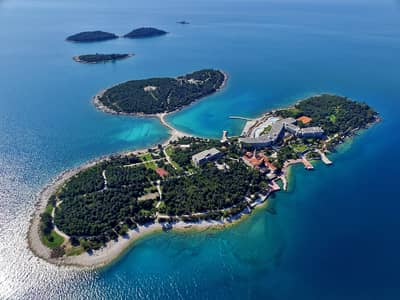
Island of St. Catherine is located right in front of the old town Rovinj and it can be easily reach by taxi boats. The beaches on the island are mostly stony. the island offers other services as well, so while spending your day on the island of St. Catherine you can swim in the pool, refresh in the bar, you can rent different sport equipment for windsurfing, diving, volleyball. On the island you can see the popular rocks called the Golden, the Silver and the Bronze Rock. These are extremely high rocks that reach 15 meters. They decline vertically into the sea that is approximately 3m deep . The rocks are an attractive site for those who like cliff jumping.
Crveni Otok is the biggest island in the Rovinarchipelago and there are many other connected islets like St. Andrija and Maškin, where you can see many beautiful beaches. They are mainly stony beaches with classical coves coated with pebbles. The most frequented beaches are the ones located on the south side of St. Andrews Island, near the hotel and the depandance. Here you can use many services like: restaurant, pool, miniature golf courses, diver center and others. A small part of the shore near the little port has been covered with gravel, making it suitable for children and seniors. There are a few high rocks on the west side of St. Andrew’s Island, which offer the possibility to dive into the sea, and it will be easier for you to find your own little corner on this side of the island, avoiding crowds and noise. Maškin Island is popular as a nudist mecca. The most seen beaches are located near the snack bar on the south side of the island. The beaches there are rocky, with a few smaller bays and they provide peace and privacy.
Dzielnica Bale, położona niedaleko Rovinja, Vodnjana, Kanfanara i Svetvincenata jest zachowanym obszarem Istrii, który unika wszelkich form dewastacji, a dziś mieszkańcy mogą powiedzieć z wielką dumą, że ich dom jest obszarem naturalnego piękna, otoczony naturalnym bogactwem, nietkniętą przyrodą i bogatym dziedzictwem kulturalnym i architektonicznym. Dzielnica Bale rozciąga się na ponad 81, 65 km² i liczy 1295 mieszkańców.
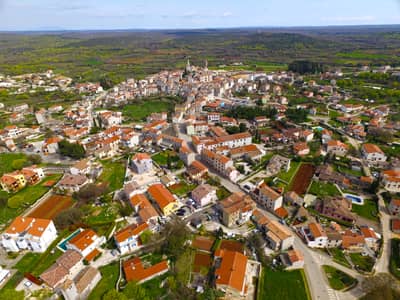
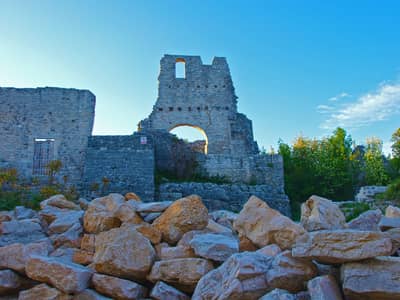
Dvigrad (miasto bliźniacze) jest opuszczonym średniowiecznym miastem na Istrii na trasie Rovinj - Pazin w kierunku na Kanfanar. Znajduje się w Dolinie Draga. Historia osadnictwa jest prehistoryczna. Pozostaje zamieszkała do XVIII w., po zarazie mieszkańcy opuścili wieś i założyli nowe miasto Kanfanar.
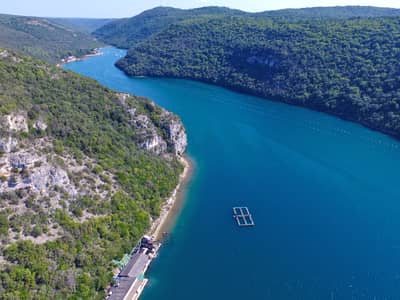
Dolina Lim (Limska Ddraga lub Limska dolina) to 35-kilometrowa dolina przy rzece Pazinčica, która przekształca się w zatokę Lim (Limski zaljev), ujście rzeki o długości 10 km. Lim Bay zdobyła swą nazwę od łacińskiego słowa 'limes' oznaczającego granicę, ponieważ zatoka była naturalną granicą między dwoma rzymskimi prowincjami. Chorwaci czasem nazywają ją 'kanal Limski' (Lim Channel) ze względu na jej wąską szerokość. Ujście jest czasem nazywane fiordem, nawet jeśli nie jest to fiord, ponieważ nie został wyrzeźbiony lodowcem, ale przez rzekę żłobiącą ziemię w drodze do Morza Adriatyckiego, gdy poziom morza był niższy.
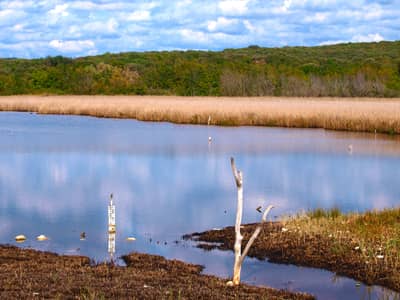
In 1906 when there was an Austro-Hungarian military base in Barbariga, a 200-meter-long canal was dug from the swamp to the sea. This was done to increase salinity of the marsh water and so prevent the development of mosquito larvae that were the main transmitters of malaria. By connecting the sea and swamp Palud gained its new inhabitants such as grey mullet and eel, fish that are found in areas where seawater mixes with freshwater. Older people of the Rovinj area recall seeing even other species of fish in the swamp that came in search of food. The great variety and number of resident and migratory bird species is surely the most important feature of this unique swamp.
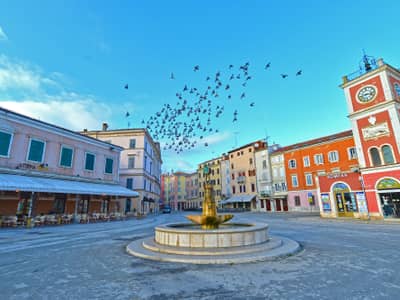
Rises up on a peninsula and is a witness to times gone by and the valuable accomplishments of its past artisans. The limited space led to the construction of narrow buildings, streets and small town squares.
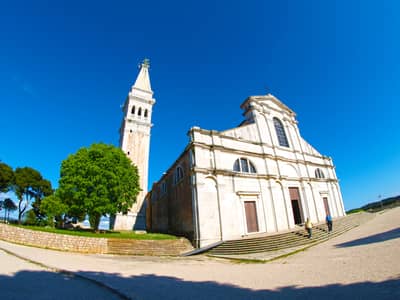
It was built in the eighteenth century, while its façade in Venetian-baroque style was added in the middle of the last century. At the top of the sixty-metre-high bell tower stands the copper statue of St. Euphemia, which shows the direction of the wind by turning on a spindle.
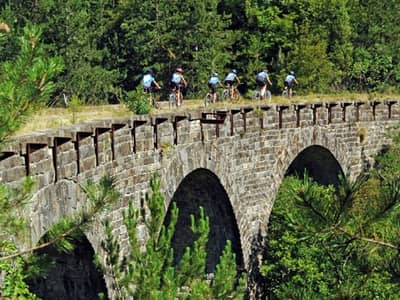
Parenzana, the route of the former railroad has been turned into a real attraction for hikers and bycicle riders. If you walk or cycle at least over a part of its 78 km route, you will be touched by its tunnels, bridges and viaducts, as well as by its fascinating woodlands and picturesque small towns at the top of the hills among whose town walls you can taste some most delicious regional specialties.