
Foglalás és elérhetőség
Ellenőrizze az árakat és a rendelkezésre állást, majd válassza ki apartmanját
Leírás
Helység
-
Helység:Békés környezetben, Lakott területen
-
Az épület zöld környezetben helyezkedik el:Nagy
-
Az épület elhagyatott területen található
-
Az épület és a strand között főút található
-
A megközelítés lehetséges személygépkocsival
-
Az épület a strand mellett helyezkedik el
-
Legközelebbi strand:Kavicsos
-
Tenger bejárata:Hosszan sekélyvíz, Rövid sekélyvíz
Távolságok
Fedezze fel az úti célt Fažana
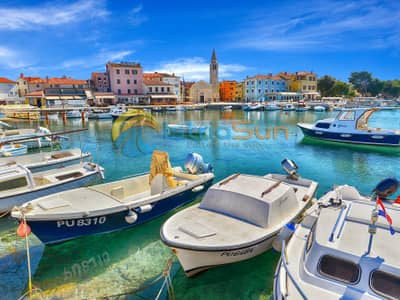
Fazana egy kis halászfalu Isztria legnagyobb városa, Pula közelében, mely egyben a főkikötő is a Brijuni Nemzeti Park felé. Izgalmas város, lakosai a mai napig űzik hagyományos tevékenységeiket és élvezik azok gyümölcsét; halász és gourmet fesztiváljaival betekintést kaphatunk a régi időkbe. Itt alapították a „Sardela” halászakadémiát, ahol megtanulhatja, hogyan kell kifogni és jól elkészíteni a szardíniát. Fažana egy olyan hely, ahol az emberek még mindig hagyományos módon élnek és értékelik a természet gyümölcseit.
Strandok
Dječje igralište
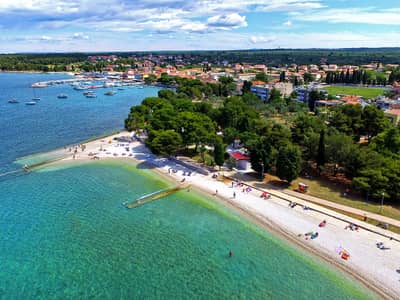
Badel
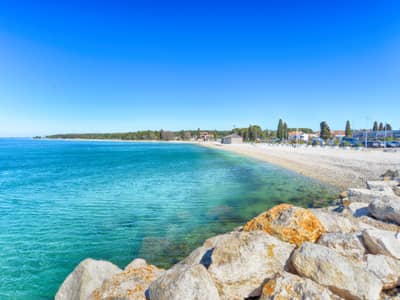
Bi Val
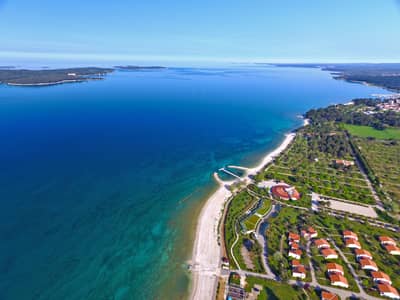
03
Látnivalók és programok
Bijeca
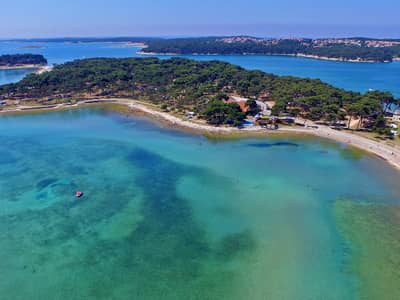
Brijuni
Az Alkotó a Föld egyrészét a Menny mintájára akarta létrehozni. Így született meg Isztria, egy csodálatos fákkal és széles mezőkkel tarkított kert, mely a mélykék tenger mosta partjaival boldogabb életre csábítja az embereket. De a féltékeny ördög tönkre akarta tenni a művét azzal, hogy szétszakította a zsákot, amiben az angyalok a fel nem használt köveket cipelték. Több ezer kő szóródott szét Isztriában, ami így a gyengéd és a durva, a termékeny és a sivár, a napos és a felhős kontrasztjainak földje lett.
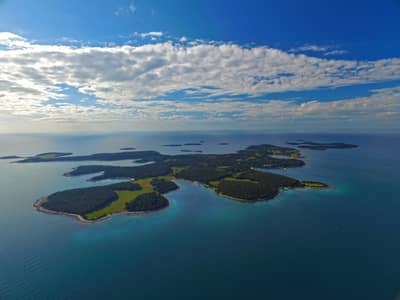
Porer
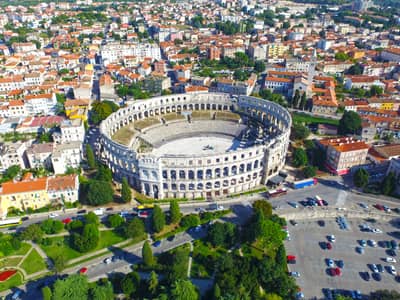
Arena Pula
The ground plan is elliptical, the longer axis measuring about 130 m and the shorter one about 100 m. Gladiator fights took place in the central flat area called the arena, while the spectators could sit on the stone tiers or stand in the gallery. It is believed that the Amphitheater could seat about 20,000 spectators. Local limestone was used for its construction. In the Middle Ages it was the site of knights tournaments and fairs. Today it is the venue for summer performances - the Film Festival, Opera Season, Equestrian Festival, concerts, ... which can seat about 5,000 spectators. The underground passages, once used by the gladiators, nowadays host a regular exhibition of viticulture and olive growing in Istria in ancient times. The exhibits include reconstructions of machines once used for the production of olive oil and wine (mills, presses, vessels) and amphorae used for storing and transporting olive oil and wine. The Amphitheater is situated outside the old city walls because of its size and geographical configuration. The road that leads to the center was constructed during Emperor Vespasian, after whom it was named - Via Flavia. Even today it represents one of the main city roads.
Aquarium Pula
Aquarium Pula isplaced in the Austro-Hungarian fortress Verudela, which was built in 1886 on the peninsula 3 km from the city centre of Pula. The works to transfor the fortress into the aquarium has been in progress since 2002. The installation has been set in about 60 tanks on the ground floor, the moat, and the first floor of the fortress. In an area of approx. 2000 m2 visitors can get acquainted with inhabitants of Northern and Southern Adriatic Sea, tropical marine and freshwater fish and with exemplary of European rivers and lakes.
Forum Pula
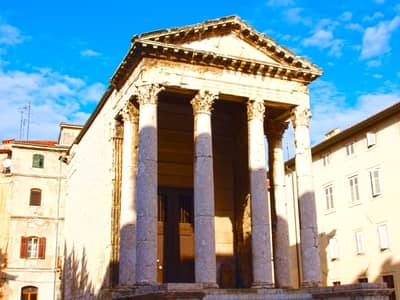
The Forum was the nucleus of city life, its religious, administrative, legislative and commercial center. On the northern part of the Forum stood two twin temples and a central one dedicated to Jupiter, Juno and Minerva. Today only the Temple of Augustus has been fully preserved while of the second temple only the back wall, built into the Communal Palace in the 13th century, is visible. Ancient remains of the Forum have been found during the construction of new buildings, the latest ones being "Agrippina and her time" (1st century AD). The remains have been partly restored and are now exhibited in the bank built on the site. Even today the Forum is the administrative and legislative center of the city. During the summer months it is the venue for numerous cultural events.
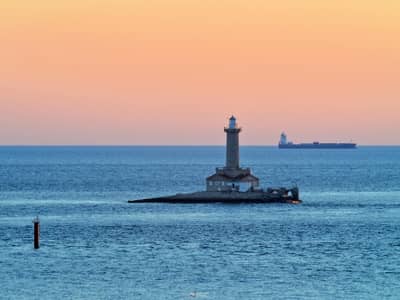
Lighting Giants
Triumphal Arch of Sergius
The gate and wall were pulled down in the beginning of the 19th century as a result of the city expansion outside the city walls. The Arch was constructed in Corinthian style with strong Hellenistic and Asia Minor influences both in the method and ornaments. As the eastern side was not visible it has remained for the most part uncarved, while the western, town side is richly decorated. Today numerous cultural performances, theatrical and musical, are held on the square next to the Arch. The adjacent street is a shopping area.
_thumb_400x300.jpg)
Riva Fazana
09