Objavte destináciu Poreč
Euphrasius basilica (Porec, Istria)
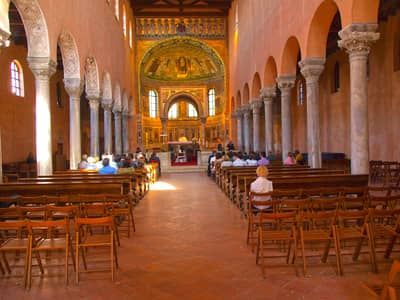
The Euphrasius’ Basilica is the Cathedral of the Ascencion of Maria, but is because of Bishop Euphrasius, who built it, better known as the Euphrasius’ Basilica. The interior and façade of the church are made with glorious mosaics and belong to the most beautiful protected parts of the Byzantine masterpiece from the 6th century. The church shines from mosaic diversity. Euphrasius basilica Info
The Baredine cave – Nova Vas (Porec, Istria)
In the underground world of the Baredine Cave you can see a treasure of unique sculptures, stalactites and stalagmites shaped over thousands and thousands of years by the amazing play of nature. The Baredine Cave is a protected natural and geomorphologic landmark, as well as the first caving site of Istria where, from this year on, you can see a historic exhibition of tractors, an exhibition of bread and oil, and a wine bar. Baredine cave Info
Plava Laguna (Blue Lagoon)
Plava Laguna Resort is known for its beauty, and the peace and quiet that surround it make it ideal for a peaceful and relaxing vacation in Istria. This scenery was shaped for long walkings by the sea, lounging on the beach and for relaxing the mind and soul.
Zelena Laguna (Green Lagoon) (Porec, Istria)
In terms of high standards and a wide range of facilities, Zelena Laguna is a unique resort in both Istria and Croatia. This magnificent landscape of pure beauty hides a number of different hotels, campsites and apartments. The only thing you need to do is come and enjoy yourself.
Materada Area (Porec, Istria)
Nature was exceptionally unselfish in the north part of Poreč where Materada Area is located. All the facilities of Materada Area are surrounded by green areas and the only thing standing between them and the nearby sea are attractive beaches and sunning areas.
Main street Decumanus (Porec, Istria)
Decumanus connected the square Marafor in the western part of old city with city gates at its eastern end. Roman Forum with Temples dedicated to Roman gods was located on the Marafor square. There is still today a Romanic house and a few beautiful Venetian gothic palaces.
Gotička kuća
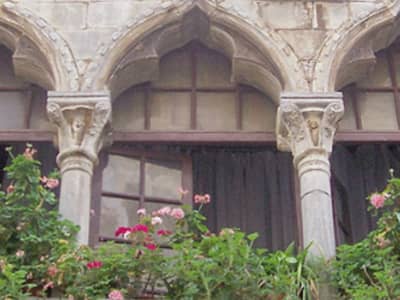
In the main old town street, Decumanus, there's a house where you can see: two trifora.
The Gothic Palace was built in 1473 in gotico fiorito Venetian architectual style. In this period of its life Poreč was undoubtfully a home to quite a few wealthy families that didn’t mind paying a lot for their houses to be as nice and modern as in Venice. A number of such palaces is preserved.
Istarska sabornica
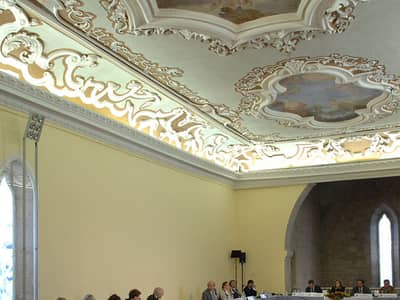
Originally a Gothic Franciscan Church from the 13th century. It stands between Park Juraj Dobrila and Laginja's shore. The interior of the building was made into Baroque style in the mid 18th century. On the ceiling there is Baroque plastering with illusionistic frescoes in medallions.
During the last century this building was used for assemblies of the Istrian Parliament and even today the District Parliament holds its formal sessions there, as well as the choir concerts ‘Naš kanat je lip’ and painting exhibitions ‘Annale’. Last spring, in the courtyard behind the Assembly Hall, early Christian floor mosaics were found, probably from the church of S.Thomas the Apostole.
Kanonika
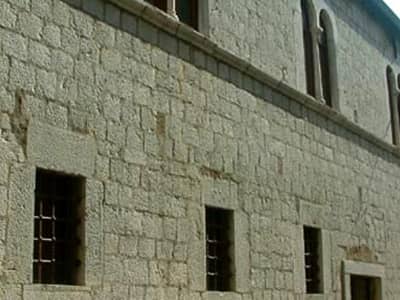
A monumental building of the canonic was completed in 1251.
Some say that it is one of the best examples of Roman construction.
Kuća Dva Sveca
The facade of small Romanesque house accentuated by two relief figures of saints.
Built in the 14/15th century in a Romanesque style. It derived its name from the two stone relief figures of the two saints alongside the window on the last floor. On the ground floor a large stone arch stands out.
Marafor, forum romanum
In the 1st century it pride itself with the biggest Roman sanctuary in Istria. Mart's temple or the Big temple was one of the biggest on the Adriatic.
North of it there is the ruin of Neptune’s temple. The Marafor Square, Poreč’s oldest and biggest square, a Roman forum rectangularly shaped is near the temples.
Neptunov hram
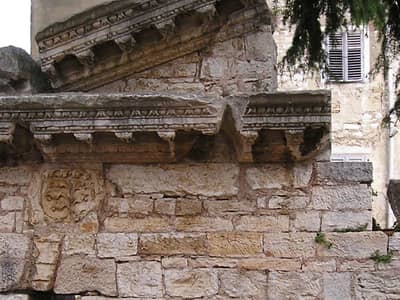
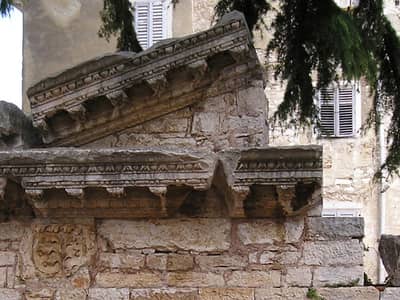
The Great Temple – northwest of the Marafor Square. The remains (a part of the wall and foundation) of an ancient temple from the beginning of the 1st century.
The Temple of Neptune – in a park, west of the Marafor Square, only fragments of the ancient temple, which was dedicated to the god of the sea, Neptune, are preserved.
Okrugla kula
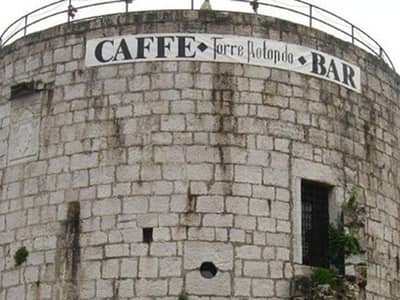
Stands near Narodni trg (Public Square), built in the second half of the 15th century.
It is very well preserved and a visit to the terrace on top is possible.
It is very well preserved and a visit to the terrace on top is possible.
Palača Zuccato
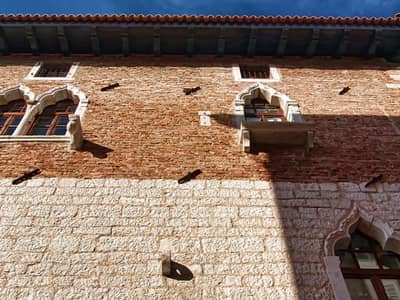
Matija Gubac Square used to be called Piazza dei signori in Venetian times but only one row of the palaces have been preserved, among them a nice example from Gothic and from Baroque period.
Along the most beautiful street in Poreč, Decumanus, stretch two galleries, one at Zuccato Palace and the other, the Heritage Museum of Poreč and Its Surrounding Area.
Peterokutna kula
Located at the beginning of the central street, Decumanus, at the entrance of the heart of the old city. It was erected in the mid 15th century in Gothic style, with a relief of a Venetian lion on the facade.
Up until the French occupation, parts of the city gates were preserved all the way up to the tower.
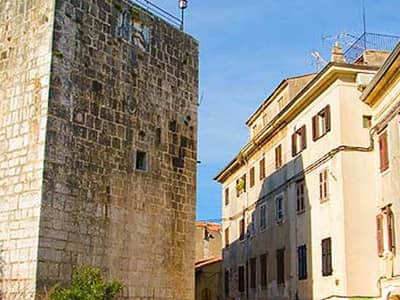
Sjeverna kula
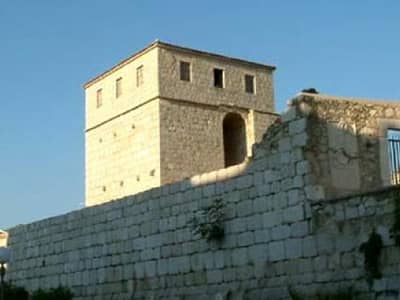
Alongside the Peškera bay, northeast of the heart of the old city. It was built in the 15 century. Today the edge is still partly preserved.
Between the three towers, as well as around the peninsula, there used to be the City’s ramparts. Parts of it are still best visible from the board-walk along the northern side of the City. The City was detached from the mainland by a trench.
10
Bellevue
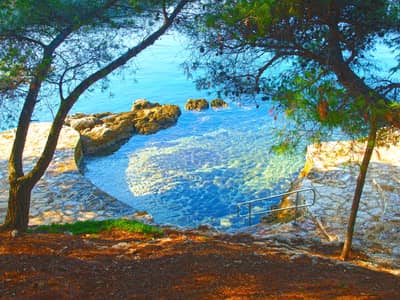
Bijela Uvala
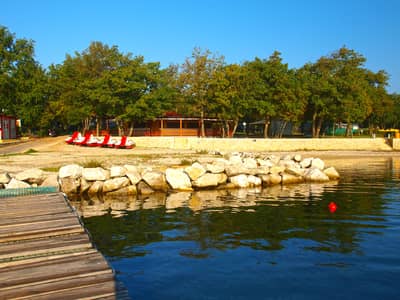
Borik
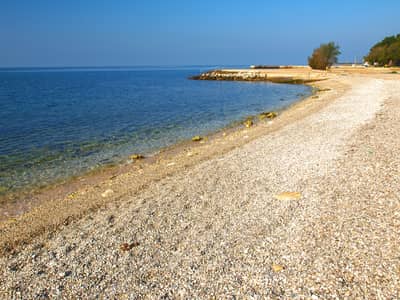
Brulo
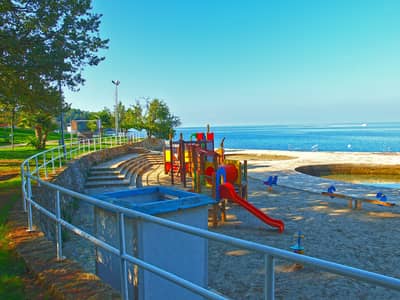
Delfin
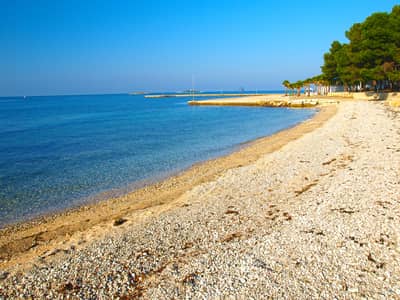
Donji Špadići
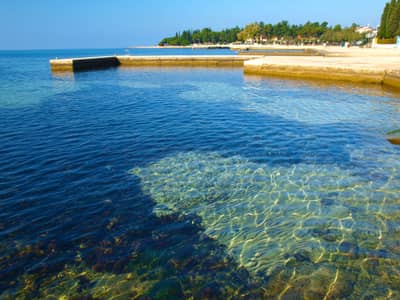
Galeb
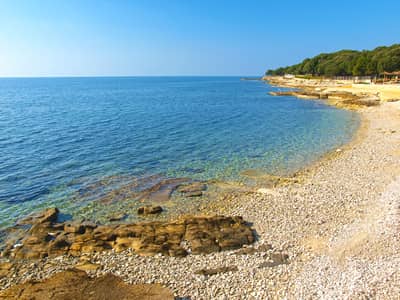
Galijot
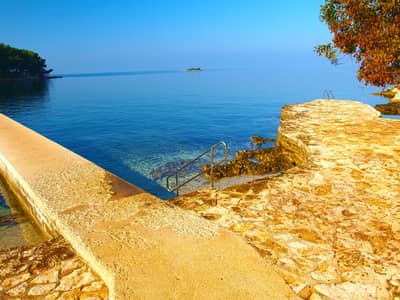
Gradsko kupalište
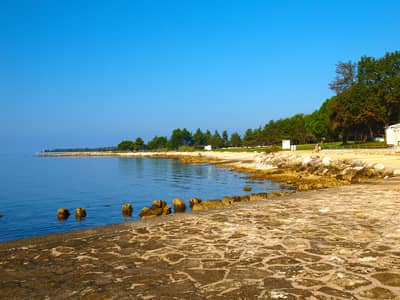
Laguna Materada
10
Euphrasian Basilica
Visitors' tours are possible everyday except during religious rituals. It is possible to climb up to the steeple and view Porec and its surroundings. The complex of the Euphrasian Basilica represents a significant global monument acknowledged by UNESCO organisation in the year 1997.
01

Viac o Poreči
zisti viac
História mesta Poreč
Poreč je dôležité malebné mesto nachádzajúce sa na západnom pobreží Istrie. Krásne a bohaté prírodné prostredie umožňuje intenzívne pestovanie viniča, pestovanie olív a najmä turistický priemysel. História mesta začína pred 2000 rokmi. V tejto oblasti sídlili mnohé národy. Neskôr boli Istrijci boli porazení Rimanmi. Keď Rimania dobili Histris, začalo sa ďalšie dlhé kultúrne a politické obdobie. Poreč sa prvýkrát spomína v 50 rokoch p.n.l. ako opidum, opevnené mesto. Na polostrove Poreč bolo vybudované armádne opevnenie a nazvali ho Castrum.
Po určitom časovom období bolo toto osídlenie vyhlásené ako centrálne mesto rímskej administratívnej, kultúrnej a hospodárskej kolonizácie. Na polostrove sa nachádzali zvyšky Neptúna a Veľkého chrámu v meste Marafor, ktorého obdĺžnikové námestie si pod súčasným terénom zachovalo rímsky chodník. Zaujímavosťou architektonického významu je Eufrazijská bazilika zo 6. storočia. Je to najvýznamnejšia byzantská architektonická a umelecká pamiatka na východnom pobreží Jadranu.